
Amazon announced this week the much-anticipated locations for its second headquarters (HQ2), identifying both Northern Virginia and NYC as the future homes for two, $2.5B sites each employing 25,000 people. Speculation and hype reached a near intolerable level in my home market of D.C. as we watched Amazon CEO Jeff Bezos acquire The Washington Post in 2013 and then the largest home in Washington, D.C. in 2016, strong indicators (we felt) HQ2 was certain to arrive in the D.C. metro area. Then, more recently, new speculation Amazon would split its new HQ2 and, thereby, the investment in any one location. Ultimately the split occurred, and two already heavily-populated regions ((Northern Virginia (D.C.) and NYC)) will begin to welcome their new neighbors.
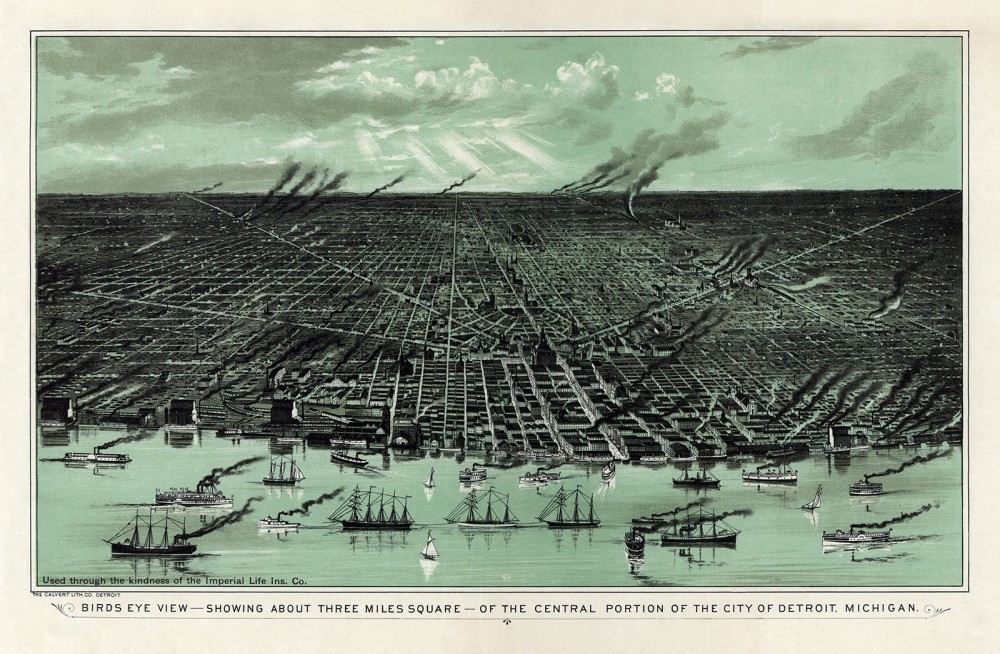
This trend toward urbanization will continue to be the norm according to studies and publications, including “Cities of the Future: Urbanization, Megacities, and Smart Cities” by Grayline (publication embedded in this article). World populations are increasingly moving to urban centers, increasing population densities and resulting in large cities and megacities. Transportation, sanitation and infrastructure requirements are challenges for the growing cities, and introduce new market dynamics for corporations and companies.
Transportation in large cities is already strained, and there is a shift toward transportation-as-a-service, the emergence of electric and autonomous vehicles, and mobility as the physical footprint of cities. Public health and sustainability are being exacerbated and emerging technologies are reimagining facilities and construction practices. Technology-enabled infrastructure requires data collection to be used in a predictive manner for projected infrastructure replacement requirements.
As the pressures of urbanization test the limits of cities, there will be winners and losers. Cities that fail to acknowledge the transformation and adapt accordingly will lose their resources (human talent) to peers who do adapt. The shape of modern economies includes the increasing concentration of wealth creation; “when wealth is concentrated in smaller groups and more occupations revolve around products and services that support these centers of wealth creation, there is a natural pull toward those centers.”
Of course, as transportation, sanitation and infrastructure adjust to accommodate an influx of residents, the local and regional housing markets are impacted as well. The arrival of Amazon’s HQ2 will generate additional, gradual demand for housing dispersed across the D.C. metro area. Rental rates and sales prices will likely increase marginally as demand is anticipated to slightly exceed supply, and the salaries of the incoming workforce are projected to be able to afford the local housing rates. A potential distribution of HQ2’s D.C. workforce is provided by The Stephen S. Fuller Institute:

As urbanization continues to impact D.C., NYC and other already-populated areas those cities must anticipate, adjust for and accommodate the pressures on its existing infrastructure, proposed development plans and residential options. Northern Virginia and NYC won the heart and investment of Amazon, and we excitedly await its arrival.
Featured image sourced from Lumen Learning.
 Lisa Coutts, Realtor
Leave a comment